

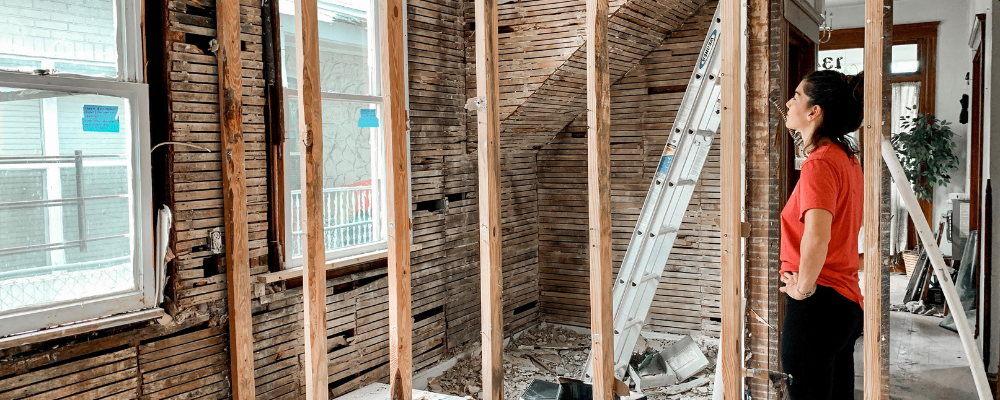
When most people think about mold, they think about health concerns, indoor air quality, or musty odors. While those are important issues, mold can also damage the building itself.
For home inspectors, understanding the structural impact of mold is critical. Mold growth often points to an underlying moisture problem, and over time, that moisture can weaken building materials, compromise structural integrity, and lead to expensive repairs.
Mold Is a Sign of Moisture Problems
Mold can’t grow without moisture. Whether it’s caused by a roof leak, plumbing issue, condensation, flooding, or poor ventilation, mold is often one of the first visible signs of excess moisture in a building.
The longer moisture remains trapped in materials such as wood, drywall, insulation, or subflooring, the greater the risk of structural deterioration.
In many cases, the mold itself is only part of the problem. The real concern is what prolonged moisture exposure may already be doing behind walls, under flooring, or inside crawlspaces.
How Mold and Moisture Damage Building Materials
Different building materials respond differently to moisture exposure, but nearly all materials can be affected over time. Moisture can allow for fungi to grow, which can break down some building materials. Moisture can also cause other pests that can cause physical damage to building materials. Moisture can also cause metal materials to corrode, porous materials to crack during freeze/thaw cycles, and other materials to lose their strength/stiffness when wet, such as drywall or particleboard.
Wood Rot and Structural Weakening
Wood framing, roof decking, floor joists, and support beams are especially vulnerable to long-term moisture exposure. Persistent dampness can lead to wood rot, causing materials to soften, warp, crack, or lose strength.
In severe cases, structural components may no longer safely support loads as intended.
Common signs include:
- Soft or spongy wood
- Warped flooring or walls
- Sagging ceilings
- Crumbling subfloors
- Discoloration or staining
Drywall and Ceiling Damage
Drywall absorbs moisture easily. Over time, wet drywall can:
- Swell or bulge
- Lose structural stability
- Deteriorate internally
- Separate from fasteners
- Collapse in severe cases
Ceiling staining or bubbling paint may indicate hidden moisture problems that have existed for months or even years.
Flooring Problems
Moisture and mold can affect nearly every flooring type:
- Hardwood may warp or cup
- Laminate flooring can swell
- Carpet padding may retain moisture
- Tile systems can loosen if moisture affects the subfloor beneath
Even when the visible flooring appears fine, the materials underneath may already be compromised.
HVAC and Hidden Building Damage
Mold growth in HVAC systems or ductwork may indicate condensation or humidity-control issues. Excess moisture in these systems can spread mold spores throughout the home and contribute to hidden deterioration of surrounding materials.
Similarly, mold found in attics or crawl spaces often indicates ventilation or insulation problems that may eventually affect structural components.
Why Early Detection Matters
The earlier moisture and mold issues are identified, the easier and less expensive they are to address.
A small roof leak discovered early may require only minor repairs. Left unresolved for years, that same issue could result in:
- Mold contamination
- Rotted framing
- Damaged insulation
- Ceiling collapse
- Major reconstruction costs
This is one reason mold testing and moisture investigations can provide value beyond indoor air quality concerns alone.
The Role of Mold Testing
Mold testing cannot determine structural damage on its own, but it can help identify areas where moisture problems may exist, even when visible mold is limited.
Air and surface sampling may help:
- Confirm mold growth in suspect areas
- Support documentation for clients
- Identify hidden moisture concerns
- Provide additional insight during real estate transactions
- Help determine whether further evaluation may be needed
For home inspectors, mold testing can become an additional tool for identifying conditions that deserve closer attention.
Technology Is Changing Mold Analysis
At Sporecyte, every sample is digitally scanned and analyzed using AI-assisted technology that reviews 100% of the sample. Reports include actual sample images, easy-to-read summaries, and detailed lab findings to help inspectors communicate results more clearly with clients.
Because moisture issues can impact both indoor air quality and the structure itself, fast and reliable testing can help inspectors and property owners make more informed decisions.
Mold Is Often More Than a Surface Problem
Visible mold growth is rarely the entire story. In many cases, mold is a symptom of a larger moisture issue that may already be affecting the structure of the building.
Understanding that connection helps inspectors provide more complete information to clients and encourages property owners to address problems before they become significantly more expensive to repair.