

Homeowners often use mold and mildew to describe different problems. But during a home inspection, the distinction is usually less important than the condition that allowed the growth to develop.
True mildew is primarily a plant disease. What homeowners call mildew on shower tile, window frames, fabric or drywall is almost certainly not mildew, but usually mold.
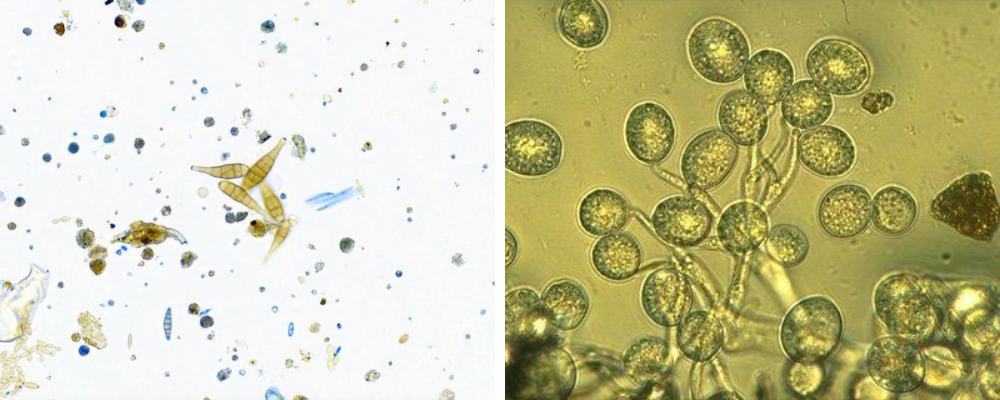
What is mold?
Mold is a broad term for filamentous fungi that grow through thread-like structures called hyphae and reproduce by producing spores. Mold can form colonies in many colors, including white, gray, green, brown and black. Color alone cannot reliably identify the type of mold or indicate how concerning it may be.
What is mildew?
True mildew is a group of fungi that grows on living plants. Powdery mildew and downy mildew are familiar examples. Actual mildew does not grow on drywall, wood, tile or other building materials.
In everyday language, people often use mildew to describe light, flat or powdery growth on shower walls, fabrics or painted surfaces. In most cases, that growth is still mold.
The Inspector’s Role: Investigating the Moisture Source
For a professional home inspector, the primary objective is not to identify the specific fungal species, but to determine the underlying condition—the moisture source—that allows growth to thrive. Mold requires a suitable temperature, an organic food source, and moisture. Since building materials and indoor climates typically provide the first two, moisture is almost always the deciding factor.
When growth is observed, your investigation should focus on the specific building systems associated with its location:
- Windows and Doors: May indicate condensation, air leakage, or flashing failures.
- Sinks and Appliances: Often point to active or intermittent plumbing leaks.
- Basements and Crawlspaces: Typically suggest groundwater intrusion or high ambient humidity.
- Attics: Often related to ventilation deficiencies, roof leaks, or bypasses from the living space.
- Bathrooms: Frequently indicative of inadequate mechanical exhaust ventilation.
Best Practices for Professional Documentation
To provide a high-value report, avoid speculating on mold types based on color or appearance. Instead, provide objective, descriptive findings. A more accurate description for your report is “visible fungal growth” or “suspected mold growth.”
Ensure your documentation includes the following four pillars:
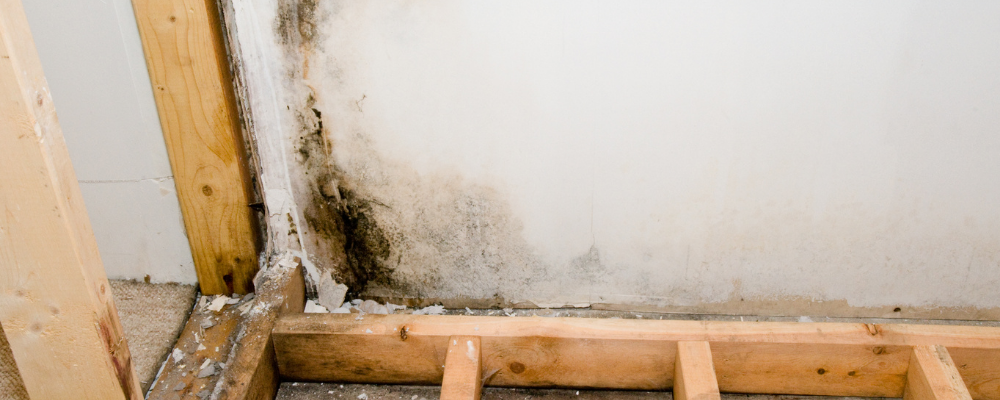
- Precise Location: Note exactly where the growth is found (e.g., “lower three feet of the north drywall in the utility room”).
- Affected Materials: Identify the substrate, such as wood sheathing, drywall paper, or insulation.
- Visible Extent: Quantify the area of growth as accurately as possible.
- Environmental Conditions: Document surrounding moisture levels or signs of past water intrusion.
What materials does mold typically grow on?
Mold is more likely to grow on porous materials that contain or collect organic matter, especially when they remain damp. Common examples include:
- Wood and wood products
- Drywall and paper backing
- Ceiling tiles
- Carpet and fabric
- Insulation
- Dust and other organic debris
Materials such as glass, metal, ceramic tile, and plastic do not provide the same food source and are less likely to support growth on their own. However, mold can still appear on these surfaces when dust, soap residue, or other organic material has accumulated.
For inspectors, the material can also offer clues about the potential extent of the problem. Growth on a smooth, nonporous surface may be limited to the surface, while porous materials can absorb moisture and may support growth below what is immediately visible.
How to explain it to clients
A simple explanation can help keep the focus on the building condition:
“People often call light surface growth mildew, but growth on building materials is generally considered mold. The more important issue is identifying and correcting the moisture source that allowed it to develop.”
Inspectors should avoid identifying mold species by sight or making medical conclusions.
The takeaway
For home inspectors, mold versus mildew is mostly a question of terminology. The more useful inspection question is: Why is fungal growth present here?
Finding and documenting the moisture source gives clients the information they need to understand the condition and determine their next step.